Wager Street Casino
100% up to $1000


Latest reviews added to Cheetah


Best Online Casinos
List of best online casinos
Fast payout casinos
Casinos with fastest withdrawal
Crypto casinos
Casinos accepting cryptocurrency
New casinos
Casinos recently opened
Live Dealers
List of best Live Dealers casinos
Sweepstakes Casinos
List of best sweepstakes casinos
Low Deposit Casinos
List of best low deposit casinos
Anonymous Casinos
List of best anonymous casinos

Exclusive Bonuses
Cheetah exclusive bonuses
No deposit bonuses
Bonuses without deposit codes
Free spins
Free spins for slots
Exclusive bonus codes
Cheetah exclusive promo codes
Welcome bonuses
Bonus on register
Deposit bonuses
Deposit for extra money
Cashback bonuses
Get money back on losses
Low Wagering Bonuses
Unlock rewards with less play
Play More, Win More – Grab Your Bonuses!
Play
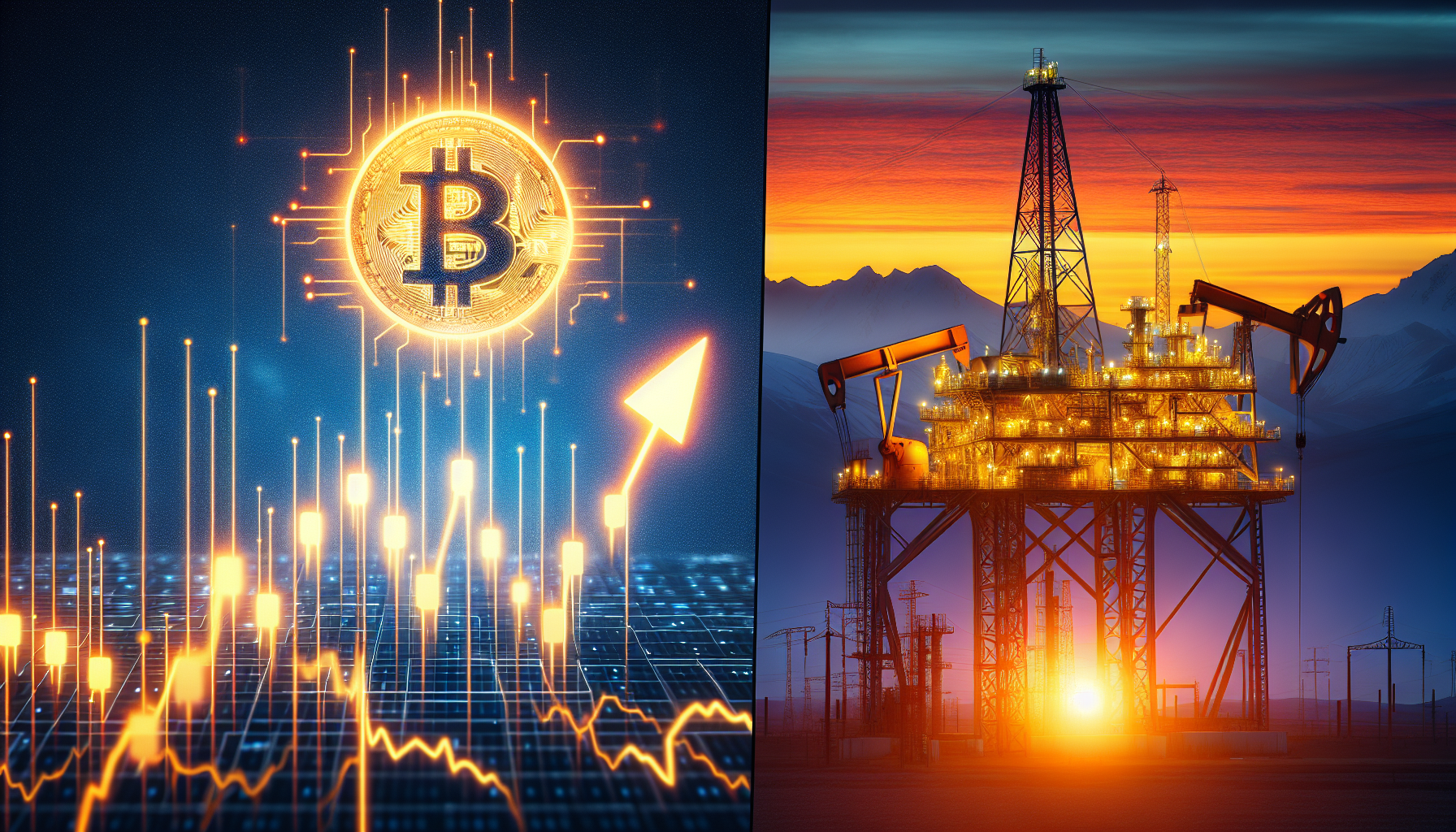
Geopolitical tensions in the Middle East have intensified in recent days, significantly impacting global financial markets. Ongoing conflict involving Israel and Iran has created uncertainty across commodities and cryptocurrency sectors. As a result, investors are closely monitoring developments around the Strait of Hormuz, a critical shipping route responsible for transporting roughly one-fifth of the world's oil supply.
Amid these developments, Bitcoin (BTC) and tokenized OIL markets have experienced strong upward price movements. Increased demand, capital outflows, and strategic accumulation by large investors—often referred to as smart money—have contributed to this surge.

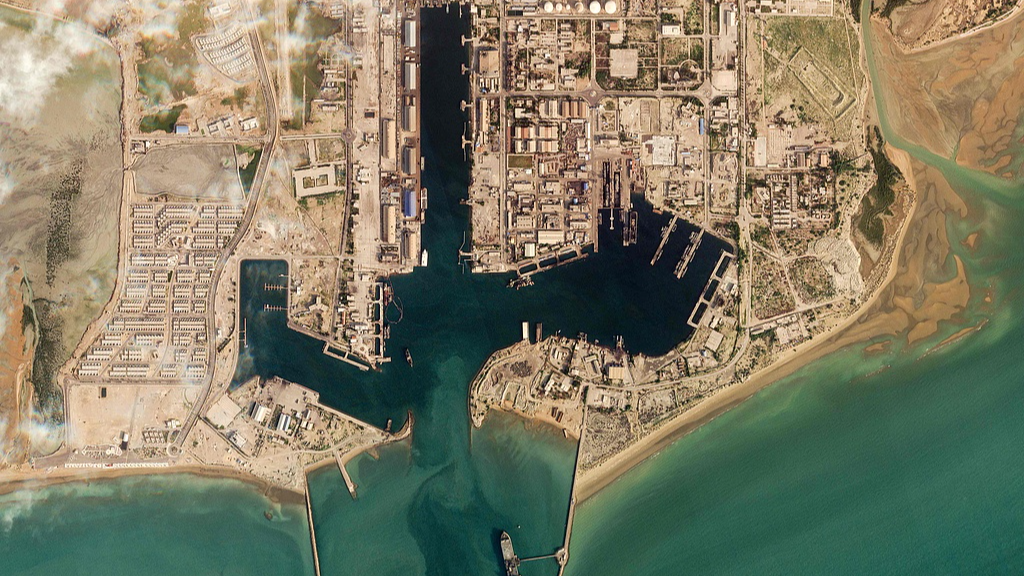
Recent developments involving Israel and Iran have polarized international opinion and intensified concerns about global energy security. Analysts warn that any disruption in the Strait of Hormuz could severely affect oil supply chains.
Because the strait handles a massive volume of crude shipments daily, even the threat of closure has historically caused oil prices (OIL) to spike. Investors often respond by reallocating capital toward assets that benefit from geopolitical instability.
In this environment, commodities and decentralized financial assets such as Bitcoin (BTC) tend to attract attention from traders seeking protection against currency instability and supply shocks.

As geopolitical tensions escalate, market data suggests a growing shift toward Bitcoin as a hedge against currency risk.
According to Nansen AI analytics, capital outflows from Iran accelerated following a temporary internet blackout. During this period, investors reportedly transferred funds into self-custodial Bitcoin wallets, pushing demand for BTC higher.
This movement helped Bitcoin reclaim the $70,000 price level, signaling renewed bullish momentum in the crypto market.
Several factors contributed to the surge:
Bitcoin’s decentralized structure and fixed supply make it attractive during periods of political instability, particularly in regions experiencing financial restrictions or capital controls.
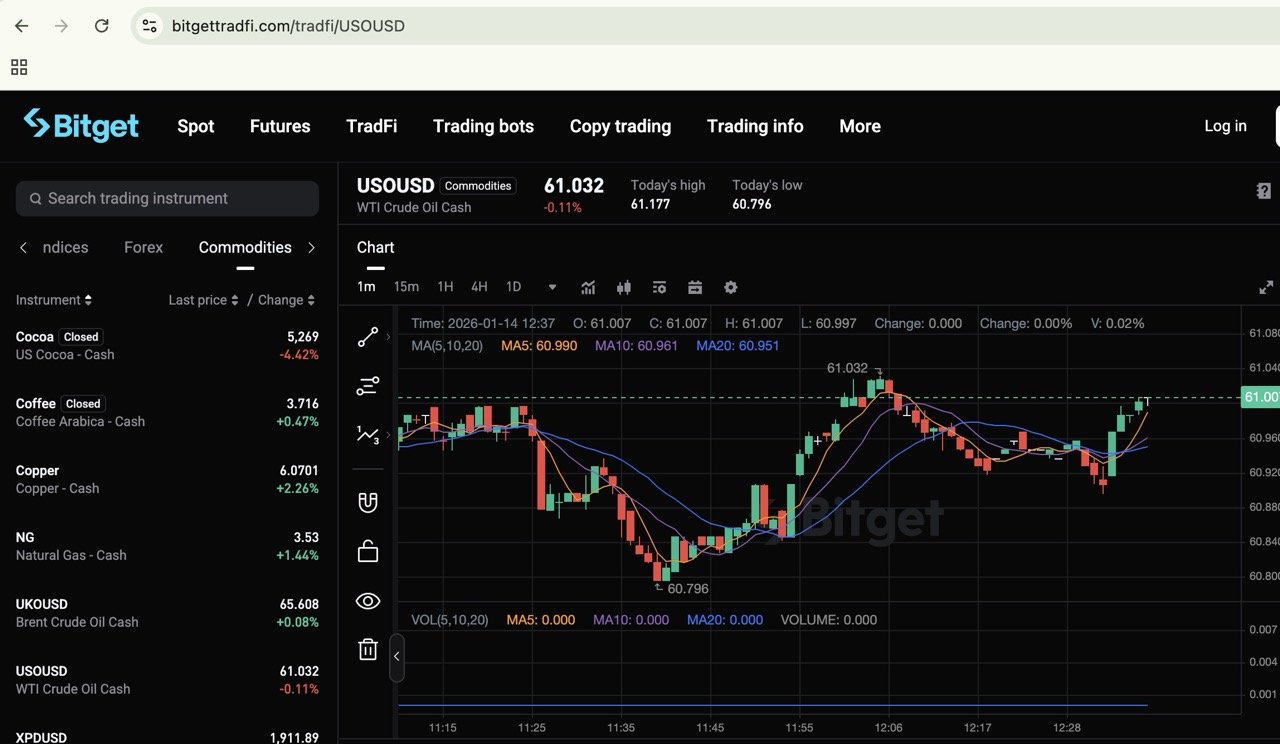
Alongside Bitcoin, the OIL token market on Solana (SOL) has also seen extraordinary activity.
Data shows that oil prices surged more than 46% within six hours, as traders rapidly accumulated positions amid fears of supply disruptions.
Key market activity includes:
This behavior suggests a coordinated strategy by experienced market participants to capitalize on limited supply and heightened geopolitical risk.
The recent rally in Bitcoin and OIL markets is closely tied to a surge in transaction volumes. Increased activity across exchanges and decentralized platforms reflects growing investor interest during uncertain macroeconomic conditions.
On platforms like Crypto Twitter, traders have increasingly highlighted OIL on Solana and Bitcoin (BTC) as potential beneficiaries of ongoing geopolitical instability.
If tensions continue to escalate, analysts believe demand for both assets may remain strong due to:
Another major driver behind Bitcoin’s upward movement is accumulation by large holders often referred to as “sharks.”
Blockchain analytics firm Glassnode reports that addresses holding between 100 and 1,000 BTC have significantly increased their positions.
Key insights include:
This accumulation marks a significant reversal from a long-term distribution trend that began in 2017 when holdings declined from around 3.4 million BTC to roughly 3 million BTC.
Such accumulation patterns often signal confidence among experienced investors regarding future market conditions.
Positive macroeconomic indicators, including stronger manufacturing activity reflected in recent ISM readings, may also be reinforcing this optimism.
Despite the strong rally, analysts caution that Bitcoin price corrections remain possible.
Historical data based on Market Value to Realized Value (MVRV) bands shows that BTC frequently reverses between the 0.8 and 1.0 MVRV range.
Currently, Bitcoin trades slightly above this zone, suggesting that a pullback could occur before the next major move.
Potential correction targets include:
However, the short-term outlook remains bullish due to:
The recent surge in Bitcoin (BTC) and OIL prices highlights how geopolitical events can rapidly reshape financial markets. Rising tensions in the Middle East, particularly surrounding the Strait of Hormuz, have increased demand for assets perceived as hedges against instability.
Capital outflows from conflict-affected regions, combined with smart money accumulation and rising trading volumes, have strengthened the bullish case for both Bitcoin and OIL.
While price corrections remain possible, current market dynamics suggest that geopolitical developments will continue to influence cryptocurrency and commodity markets in the near term.
Source: Here’s Why Bitcoin and OIL Prices are Pumping Despite Escalating Middle East Tensions, published on The Market Periodical.
Published: 08. March 2026
.jpg)


.jpg)

.jpg)


.jpg)