
Wager Street Casino
100% up to $1000


Latest reviews added to Cheetah


Best Online Casinos
List of best online casinos
Fast payout casinos
Casinos with fastest withdrawal
Crypto casinos
Casinos accepting cryptocurrency
New casinos
Casinos recently opened
Live Dealers
List of best Live Dealers casinos
Sweepstakes Casinos
List of best sweepstakes casinos
Low Deposit Casinos
List of best low deposit casinos
Anonymous Casinos
List of best anonymous casinos

Exclusive Bonuses
Cheetah exclusive bonuses
No deposit bonuses
Bonuses without deposit codes
Free spins
Free spins for slots
Exclusive bonus codes
Cheetah exclusive promo codes
Welcome bonuses
Bonus on register
Deposit bonuses
Deposit for extra money
Cashback bonuses
Get money back on losses
Low Wagering Bonuses
Unlock rewards with less play
Play More, Win More – Grab Your Bonuses!
Play
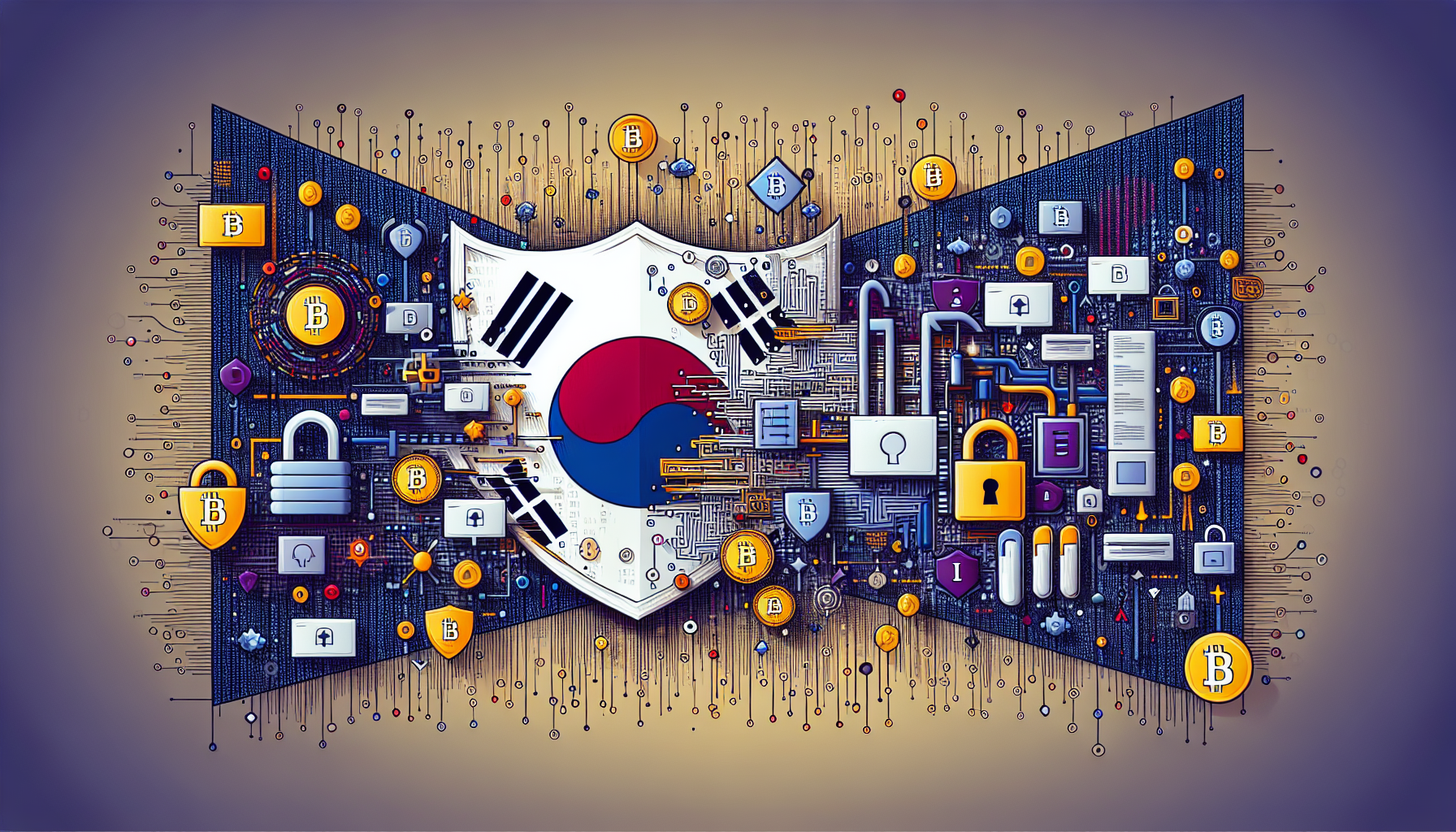
In November 2025, South Korea's cryptocurrency sector faced significant disruption due to a security breach that impacted Upbit, one of the country's leading crypto exchanges. Hackers managed to steal approximately $30 to $37 million in tokens associated with the Solana network. This incident, occurring within a shockingly brief period of just 54 minutes, has not only highlighted vulnerabilities in current security measures but has also prompted a reevaluation of regulatory frameworks by South Korean authorities. The aftermath of this breach has seen a swift response from South Korea’s Financial Services Commission (FSC), the regulatory body expressing the need for stringent measures to ensure user protection. The proposed changes center around a “no-fault liability” system, which parallels existing banking regulations where institutions are mandated to compensate users for losses irrespective of culpability. This approach, though potentially increasing operational costs for exchanges, is seen as a necessary step towards rebuilding trust within the crypto community.
On November 27, 2025, attackers targeted Upbit’s hot wallets, systems used for quick access to digital assets, and successfully drained them. This incident coincided with Upbit's operational merger with Naver Financial under the umbrella of Dunamu, which could have contributed to the lapse in immediate response. Following the attack, there was a significant delay in notifying the FSC, which raised concerns and debate over existing reporting protocols. Current regulations stipulate that financial entities must promptly report breaches, yet fines are limited to a maximum of 5 billion won (approximately $3.4 million), an insufficient deterrent for larger exchanges handling substantial capital. Investigations have pointed towards a possible security exploit involving the manipulation of private keys, with suspicions directed at the notorious Lazarus Group from North Korea. The breach adds to Upbit’s troubled history, marking its sixth security incident and amplifying calls for tougher regulations in an industry that has already witnessed over 20 significant failures since 2023, resulting in losses amounting to 5 billion won.
In response, the FSC has proposed reforms that would significantly alter the landscape of cryptocurrency trading in South Korea. By instituting the principle of 'no-fault liability', exchanges would be compelled to bear financial responsibility for losses incurred by users, emulating the requirements placed on traditional banks under the Electronic Transactions Act. This would entail exchanges like Upbit, Bithumb, and Coinone to enhance their security infrastructure and adhere to more rigorous IT standards. These changes are part of a broader revision of the Act on the Protection of Virtual Assets Users, which is set for public consultation in early 2026.
The ripple effect of this breach and subsequent regulatory tightening is likely to extend beyond South Korea, serving as a potential template for global cryptocurrency oversight. As the industry grapples with frequent security breaches worldwide, there is a growing call for enhanced technological investments and the adoption of safer practices such as the use of cold wallets for asset storage. While these reforms promise stronger safeguards for users, they also pose challenges, particularly for smaller exchanges which may struggle to meet the increased financial and operational demands. Nonetheless, as regulators strive to balance innovation with security, the Upbit breach could become a pivotal case in shaping the future discourse on digital asset management and protection.
Source: The post South Korea's Crypto Hack Crisis: Upbit Breach Sparks Key Reforms appeared first on The Market Periodical.
Published: 07. December 2025
.jpg)

 Spanish
 Portuguese (Brazilian)
 Finnish
 Russian


.jpg)

.jpg)