



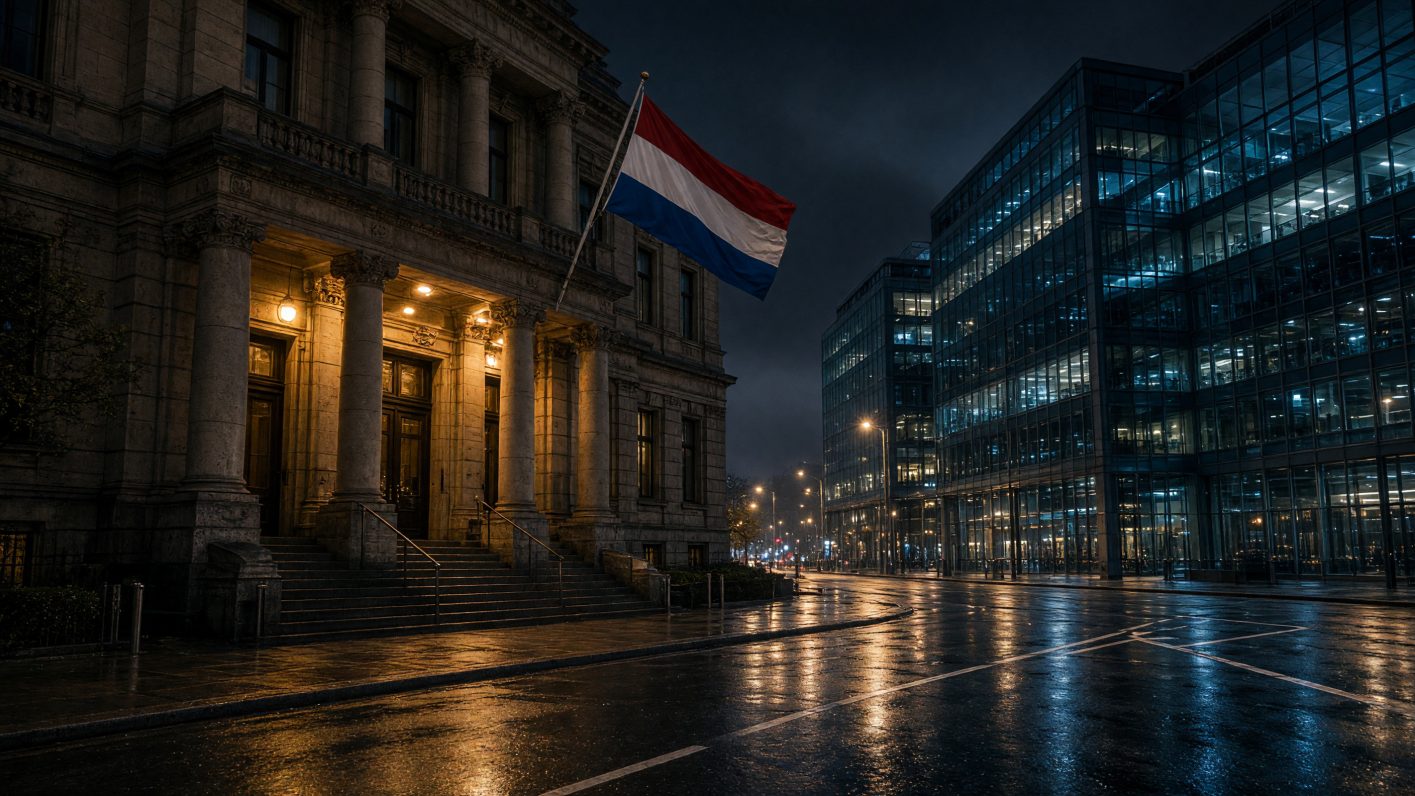
VNLOK, short for Vergunde Nederlandse Online Kansspelaanbieders, said the summons is the last step in a case it announced on 22 June. It is asking the court to find that Meta is not meeting the EU Digital Services Act, and to order Meta to do more to stop gambling ads aimed at people in the Netherlands before those ads go up. VNLOK says the case is not an attack on social media. It is about a platform carrying an offer that has no Dutch licence. The statement is on VNLOK's own site.
Chairman Björn Fuchs said VNLOK had pointed Meta to the scale of the problem and asked for a structural fix, and that this had not been enough. That is why the file is now with a Dutch court. In the June announcement, VNLOK described the claims it would put to that court: a finding that Meta breached the Act and is directly liable for the illegal content, an order to comply, for example with better systems for catching ads before they run, and a penalty for each day Meta does not comply. The same announcement said VNLOK was notifying the European Commission and asking it to investigate. Meta, VNLOK said, had asked for examples of illegal ads and had refused to work on a structural solution.
The figures VNLOK is taking to court
These numbers are VNLOK's, from its own research. They are not a finding by the court.
For the last quarter of 2025, VNLOK says an average of more than 70,000 gambling ads aimed at the Netherlands were visible on Meta's platforms. More than 95 percent of that promotion came from unlicensed operators. Meta removed less than 5 percent of the ads. VNLOK puts the monthly reach in the tens of millions of impressions. In a later count it says more than 90 percent of the Facebook gambling ads it examined came from illegal sites. Meta removed 11 percent of those illegal ads in May 2026 and 15 percent in June. The June statement is here.
VNLOK's point is the clock. An illegal ad is often up for a short time, so a report after it has run arrives too late. The Kansspelautoriteit, the Dutch gambling regulator, already sends Meta thousands of removal requests a month. Both VNLOK and the parliamentary motion say those requests have not changed the pattern. VNLOK also estimates that illegal online gambling in the Netherlands is about as large as the licensed market, at more than EUR 1 billion a year. That estimate is the trade body's, not a figure from the regulator.
The House asked for a fine. It did not create one.
On 23 September, MP Bart Bikkers and two colleagues, Tijs van den Brink and Mohammed Mohandis, tabled motion 24557, no. 288. The text, published by the government, notes that the regulator reports thousands of removals to Meta each month without a structural result. It asks the government to write into the Gambling Act, the Wet op de kansspelen, that a platform which keeps showing an illegal gambling ad after a removal request is itself breaking the law, so the regulator can impose a fine or a penalty order. The motion is Kamerstuk 24557, no. 288.
The House adopted it on 29 September, 124 votes to 26. The roll call is on ikregeer.nl. A motion asks the government to act. It does not amend the Act by itself. Until that amendment exists, a platform is not under the new offence the motion describes.
VNLOK supports the motion and says the regulator should not wait for it. Fuchs said the Kansspelautoriteit already has legal tools, and that no change in the statute is required to use them. He also said Meta is the company VNLOK is suing, not the whole problem. If one platform drops an unlicensed operator, the same operator shows up on another route, including search results and Telegram channels.
What is still ahead
No hearing date has been published by the court in the material VNLOK has put out. On 16 October, Fuchs told a gambling conference in Madrid that VNLOK expects a first hearing late in December and the main proceedings in the first quarter of 2027. SBC News reported the remarks. He said the lawsuit is built on Dutch law, and that VNLOK is talking to counterparts and to government bodies in other European countries. He named Germany and France as places where he expects that pressure to grow. He did not say a second case had been filed.
iGB reported that Minister Claudia van Bruggen told a House committee Meta was open to working with the government on illegal ads, and that the government would get a report on this advertising every six months. VNLOK's account of the same period is that the conversation did not produce a structural fix. Both statements can be true. Neither is a judgment.
For a player in the Netherlands, the practical line is the one the case is about. An ad on Facebook or Instagram is not a Dutch licence. The licensed market has its own rules on who may be offered a game. The court has not yet ruled, and the fine the House asked for is not in force.
Published: 18. October 2026
Anything incorrect or missing?